
If you have ever paid for Netflix, Spotify, cloud storage, or a gym membership, you have already used a recurring payment plan. Even if you did not realize it at the time, this payment model has become a normal part of modern life.
But what is a recurring payment plan exactly? How does it work, and why do so many businesses rely on it today? More importantly, should you use it as a consumer or as a business owner?
In this guide, you will get a clear and practical explanation. The goal is to help you fully understand the concept without confusing terms or sales language. Everything is explained in a straightforward way, using real-world examples you can relate to.
What Is a Recurring Payment Plan?
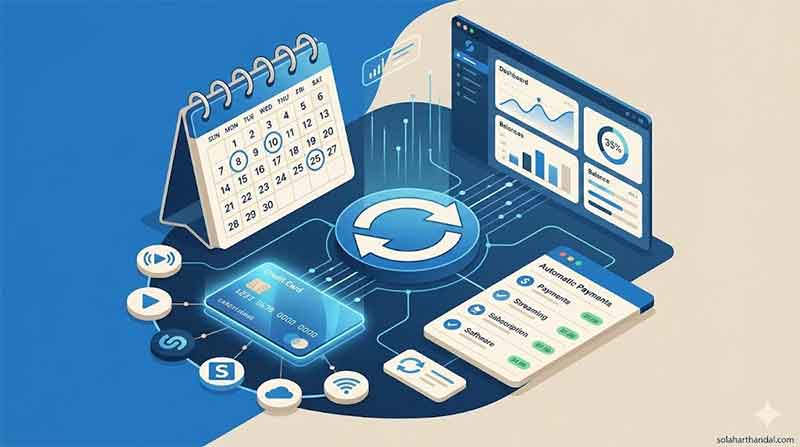
A recurring payment plan is a billing arrangement where a customer authorizes a business to charge them automatically at regular intervals. These intervals can be weekly, monthly, quarterly, or annually, depending on the agreement.
Instead of making a manual payment each time, the customer’s payment method is charged automatically. This usually happens through a credit card, debit card, or bank account.
The key idea behind a recurring payment plan is automation and consistency. Once the plan is set up, payments continue until the customer cancels or the agreement ends.
In simple terms, it means paying for something repeatedly on a schedule, without having to think about it every time.
Why Recurring Payment Plans Are So Popular
Recurring payment plans have grown rapidly over the last decade. This is not an accident. Both businesses and customers benefit from this model in different ways.
For customers, it offers convenience. There is no need to remember due dates or worry about late fees. Services continue without interruption.
For businesses, recurring payments provide predictable income. This makes planning and growth easier.
Digital services, subscription boxes, SaaS companies, and even traditional businesses now rely on recurring billing to stay competitive.
How a Recurring Payment Plan Works
Understanding how a recurring payment plan works step by step can help you feel more confident using one.
First, the customer agrees to the payment terms. This includes the amount, billing frequency, and duration.
Next, the customer provides payment details. This is usually done through a secure checkout page or payment form.
Then, the payment system stores this information safely and schedules future charges.
At each billing cycle, the payment is processed automatically. If the payment is successful, the service continues as normal.
If a payment fails, the system may retry or notify the customer to update their payment method.
This process happens in the background, without requiring manual action from either side.
Common Examples of Recurring Payment Plans
Recurring payment plans exist in many industries. You may already use several of them.
Streaming services like Netflix and Disney+ charge monthly or yearly fees.
Software tools such as email marketing platforms or design apps operate on subscriptions.
Utility bills like internet or mobile phone services often follow a recurring model.
Memberships for gyms, clubs, or professional organizations usually rely on recurring payments.
Subscription boxes for food, beauty products, or books are also common examples.
These examples show how flexible recurring payment plans can be across different needs and budgets.
Types of Recurring Payment Plans
Not all recurring payment plans are the same. There are several common types you should know about.
Fixed Recurring Payments
With fixed recurring payments, the amount charged stays the same every billing cycle.
This is the most common type. Examples include monthly subscriptions or flat membership fees.
Customers like this model because it is predictable and easy to budget for.
Variable Recurring Payments
Variable recurring payments change based on usage or consumption.
Examples include utility bills or pay-as-you-go services.
The billing still happens regularly, but the amount may vary each cycle.
Limited-Term Recurring Plans
Some recurring payment plans run for a fixed period.
For example, a six-month course or a one-year installment plan.
Once the term ends, the payments stop automatically.
Open-Ended Recurring Plans
These plans continue until the customer cancels.
Most subscriptions fall into this category.
They offer flexibility but require clear cancellation policies.
Recurring Payment Plan vs Subscription Model
Many people use these terms interchangeably, but they are not exactly the same.
A recurring payment plan refers to how payments are collected.
A subscription model refers to the overall business strategy.
A subscription usually includes recurring payments, but recurring payments can exist without a traditional subscription.
For example, installment plans for large purchases are recurring payment plans, but they are not subscriptions.
Understanding this difference helps clarify how businesses structure their pricing.
Benefits of Recurring Payment Plans for Customers
Recurring payment plans offer several advantages for everyday users.
One major benefit is convenience. Payments happen automatically, saving time and effort.
Another benefit is uninterrupted access. Services continue without delays caused by missed payments.
Recurring plans also help with budgeting. Knowing when and how much you will be charged makes financial planning easier.
Some companies offer discounts for choosing recurring billing instead of one-time payments.
Overall, recurring payment plans reduce friction and simplify daily life.
Benefits of Recurring Payment Plans for Businesses
From a business perspective, recurring payment plans are extremely valuable.
They provide predictable cash flow, which improves financial stability.
Customer retention tends to be higher because users stay subscribed longer.
Recurring revenue makes it easier to forecast growth and invest in new products.
Billing automation reduces administrative work and human error.
Businesses can focus more on customer experience instead of chasing payments.
This is why many companies shift toward recurring billing models as they grow.
Potential Drawbacks of Recurring Payment Plans
While recurring payment plans offer many benefits, they are not perfect.
Customers may forget about subscriptions they no longer use.
Unexpected charges can occur if billing terms are not clearly explained.
Failed payments can lead to service interruptions.
From a business side, managing cancellations and payment failures requires good systems.
Trust is also crucial. Customers must feel confident that their payment data is secure.
Clear communication and transparency help reduce these risks.
Is a Recurring Payment Plan Safe?
Safety is a common concern, especially when sharing payment details.
Most recurring payment plans are safe when handled by reputable payment processors.
Companies typically use encryption and comply with security standards such as PCI DSS.
Customers should always review the terms before signing up.
It is also wise to monitor bank statements regularly.
Using virtual cards or trusted payment platforms can add extra protection.
When done correctly, recurring payments are no more risky than one-time payments.
How to Cancel a Recurring Payment Plan
Canceling a recurring payment plan should be straightforward, but this depends on the provider.
Most services allow cancellation through account settings.
Some require notice before the next billing cycle.
It is important to read the cancellation policy carefully.
After canceling, always check for confirmation emails or messages.
If issues arise, contacting customer support or your bank can help resolve disputes.
Knowing how to exit a plan is just as important as signing up.
Recurring Payment Plans and Consumer Rights
Consumers are protected by various regulations, depending on their location.
Businesses are usually required to disclose billing terms clearly.
Hidden fees or misleading pricing can lead to legal consequences.
In many regions, customers have the right to dispute unauthorized charges.
Transparency is a key requirement for ethical recurring billing practices.
Reputable companies take these responsibilities seriously.
How Businesses Set Up a Recurring Payment Plan
Setting up a recurring payment plan involves several steps.
First, the business chooses a payment processor that supports recurring billing.
Next, pricing and billing intervals are defined.
Clear terms and conditions are created for customers.
Payment systems are integrated into websites or apps.
Finally, customer communication and support processes are established.
Successful recurring billing relies on both technology and trust.
Best Practices for Managing Recurring Payments
Whether you are a customer or a business owner, best practices matter.
Always keep records of subscriptions and payment schedules.
Review statements regularly to avoid unwanted charges.
Businesses should send reminders before billing cycles.
Easy cancellation options improve customer satisfaction.
Strong customer support builds long-term trust.
These small details make a big difference in user experience.
Recurring Payment Plans in the Digital Economy
Recurring payment plans play a major role in today’s digital economy.
They support software innovation by funding continuous development.
Content creators rely on recurring support from members or patrons.
Online education platforms use subscriptions to provide ongoing learning.
This model allows businesses to focus on long-term value instead of one-time sales.
As digital services continue to grow, recurring billing will remain essential.
Who Should Use a Recurring Payment Plan?
Recurring payment plans are suitable for many situations.
They work well for ongoing services or products used regularly.
They are ideal for customers who value convenience and consistency.
Businesses with long-term customer relationships benefit the most.
However, they may not suit one-time purchases or irregular services.
Choosing the right model depends on the nature of the product and customer needs.
Final Thoughts on What Is a Recurring Payment Plan
Understanding what is a recurring payment plan helps you make better financial decisions.
It is a simple concept built around automation, trust, and consistency.
For customers, it offers ease and reliability.
For businesses, it provides stability and growth opportunities.
When managed transparently and responsibly, recurring payment plans benefit everyone involved.
As digital payments continue to evolve, this model will remain a cornerstone of modern commerce.
If you take the time to understand the terms and manage subscriptions wisely, recurring payment plans can be a powerful and convenient tool in everyday life.